

Uncategorized
Viburnums That Thrive: Planting Viburnum Odoratissimum and Viburnum Care for Fast, Healthy Growth
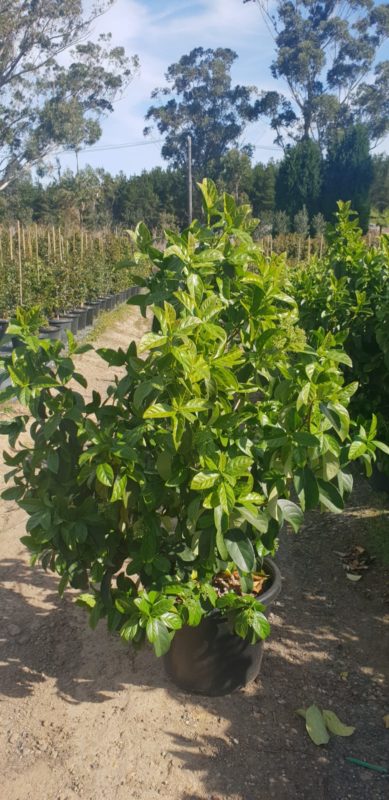
Mar
Planting Viburnum Odoratissimum: set it up for strong roots and rapid screening
Where to plant viburnum odoratissimum: sun, shade, wind protection, and spacing
Plant viburnum odoratissimum in a bright position with sun to part shade, protect it from harsh winds, and space plants correctly so the hedge thickens without competing for water and nutrients.
Location is the biggest “growth multiplier” for viburnums. A hedge planted in the wrong spot can look thin, uneven, or slow – even with good watering. Viburnum odoratissimum is commonly used for screening because it can form dense foliage when it has enough light and stable moisture. Too much shade often leads to open growth and slower coverage; too much harsh afternoon exposure can cause stress and leaf yellowing during heatwaves. Wind is another hidden issue: it dries leaves and soil faster, which can stall establishment and create patchy hedge lines. Spacing matters because viburnums need room to branch out while also knitting together. When you get the site right, the hedge thickens more evenly, responds better to pruning, and looks “finished” sooner.
Soil prep and planting steps: drainage, compost, planting depth, and mulching
The fastest way to establish viburnum odoratissimum is to plant into well-draining soil improved with organic matter, set the plant at the correct depth, water in deeply, and mulch to stabilise moisture.
Viburnums are forgiving, but they don’t like extremes – especially waterlogged soil or repeated dry-outs during establishment. Soil prep is where you prevent both. Start by checking drainage: if water sits in the planting zone, roots struggle and growth slows. Improve the broader bed area (not only a single hole) so roots can expand into consistent soil. Compost or well-rotted organics help retain moisture while still supporting airflow in the root zone. Planting depth is also critical: too deep can suffocate the crown and invite rot; too shallow can expose roots and cause stress. After planting, mulch acts like insurance – keeping soil temperature stable and reducing evaporation. Good prep makes watering more effective and reduces the “transplant shock” that causes stalled growth.
- Check drainage first; fix heavy or compacted areas
- Improve soil with organic matter for moisture + structure
- Plant at the same depth as the nursery pot
- Water in deeply to settle soil around roots
- Mulch to stabilise moisture and reduce weed competition
Watering after planting: the establishment schedule that prevents stress and leaf drop
After planting viburnum odoratissimum, water consistently and deeply during the first weeks, then taper to less frequent deep watering as roots establish to prevent stress and leaf drop.
Most viburnum hedge failures aren’t from “wrong plants” – they’re from inconsistent early watering. The first 6–12 weeks are the critical zone. Young roots are limited to the original pot area, so the plant depends on you to keep that zone evenly moist. If it dries out repeatedly, leaves may yellow and drop, and growth slows. If it stays saturated, roots can suffocate, leading to weak establishment and poor recovery after pruning. The goal is a pattern: soak the root zone thoroughly, then allow the top layer to dry slightly before watering again. Hot, windy days increase water demand; cool or wet weather reduces it. Watch the soil, not the calendar. Once established, viburnums handle broader fluctuations better – but early stability is what produces fast, thick screening.
Viburnum care: the routine that keeps hedges dense, green, and easy to maintain
Viburnum plant care essentials: feeding, watering, and seasonal check-ins
Strong viburnum care is simple: maintain steady moisture, feed during active growth, and do quick seasonal checks to catch issues early.
Once established, viburnums are generally low-fuss, but “low-fuss” isn’t “no-care.” The difference between an average hedge and a high-performing hedge is routine. Watering should support steady growth rather than constant lush softness – deep watering during dry periods is better than frequent shallow watering. Feeding is most useful in spring and summer when the hedge is actively growing and recovering from trims. Seasonal check-ins prevent small issues becoming large ones: look for pest activity, uneven growth, or signs of nutrient stress. If you’re aiming for a tight, dense screen, maintenance needs to be consistent because viburnums respond strongly to stable conditions. The upside is that small routine actions – mulch top-ups, occasional feeding, and smart watering – create a hedge that stays green, thick, and reliable year after year.
- Water deeply in dry periods, not constantly
- Feed in active growth seasons to support density
- Do seasonal inspections for pests, stress, or yellowing
- Refresh mulch to stabilise moisture and suppress weeds
- Consistency beats “rescue care” after problems appear
Pruning viburnums for shape and density: when to trim and how hard to cut back
Prune viburnums regularly to encourage branching and density, timing trims to maintain shape while avoiding extreme stress during heatwaves or cold snaps.
Pruning is what turns viburnums from “shrubs in a line” into a true hedge. The goal is controlled branching: each trim encourages side shoots, which thickens the screen. The best trimming rhythm depends on growth speed and your desired finish, but early formative pruning is crucial – especially in the first year. Light trims encourage the base to fill in so the hedge doesn’t become leggy. As the hedge matures, you can increase shaping to keep it tight and even. Avoid heavy pruning during extreme weather because plants are already stressed and recovery slows. Also, don’t let the hedge grow tall too fast before it thickens – height without density creates gaps and wind exposure. A steady trim plan produces a hedge that looks sharper, grows more evenly, and stays easier to maintain long term.
How to grow viburnums faster: tips for thicker coverage and better hedge performance
To grow viburnums faster, focus on root establishment, consistent moisture, adequate nutrition, and early pruning that drives branching and thick coverage.
Fast growth is rarely about “one trick.” It’s a stack of small advantages that compound: the right site, better soil, stable water, and smart pruning. Many people chase quick height, but the real goal for screening is thickness. If the hedge fills in early, it performs sooner and needs fewer corrections later. Growth speed is also linked to stress reduction. Viburnums grow fastest when they’re not recovering from drought swings, poor drainage, or nutrient lockout. Mulch and soil improvements keep roots active for longer through warm seasons. Feeding supports new growth after trimming. Formative pruning triggers branching, which increases the number of growth points, making the hedge look fuller faster. Think like a builder: create the foundation, then amplify growth with consistency.
- Prioritise root establishment before pushing hard growth
- Keep moisture consistent to avoid stress slowdowns
- Feed in growth season to support new shoots
- Prune early to force branching and density
- Mulch + soil prep = faster, steadier hedge performance
Viburnum troubleshooting: fix the common issues before growth stalls
Yellow leaves and poor growth: the most common viburnum care mistakes
Yellow leaves and poor viburnum growth usually come from watering extremes, drainage problems, insufficient light, or nutrient stress – often in combination.
Viburnums are generally hardy, so when they look unhappy, it’s usually a sign of a basic condition mismatch. Yellowing can be caused by overwatering (roots starve for oxygen), underwatering (stress and leaf shed), or poor drainage that keeps roots too wet. Shade can also reduce vigour, making growth weak and foliage thinner. Nutrient issues show up when growth stalls or leaves pale, but feeding won’t fix problems caused by root stress or unsuitable soil. The fastest way to diagnose is to check soil moisture first: dig a small test hole and feel how wet it is below the surface. Next, assess drainage after watering or rainfall. Then consider the microclimate: hot reflected heat, wind, or heavy shade. Fix the environment, then support recovery with steady care rather than aggressive fertilising.
Pests and diseases: what to watch for and how to prevent repeat problems
Prevent viburnum pest and disease problems by reducing plant stress, improving airflow, monitoring regularly, and acting early when you see symptoms.
Most pest and disease issues become serious only after they’ve been ignored for weeks. Viburnums can attract common sap-sucking pests that weaken new growth, and fungal issues can appear when foliage stays damp and airflow is poor. Prevention starts with hedge design: correct spacing and consistent trimming help air move through the canopy, which reduces moisture build-up. Watering technique matters – aim water at the soil, not over the leaves, and water earlier in the day when possible. Regular monitoring is the simplest “treatment”: check leaf undersides and fresh growth, especially in warm months. If you see sticky residue, leaf spotting, or distorted new growth, act quickly with the mildest effective intervention and remove heavily affected material. Healthy viburnums resist problems better, so the best defence is stable growing conditions.
- Keep hedges healthy: stress invites pests and disease
- Improve airflow with spacing and shaping trims
- Water soil, avoid wetting foliage repeatedly
- Inspect regularly: leaf undersides + new growth
- Act early; small interventions prevent big setbacks
Hedge gaps and uneven growth: how to correct spacing, light, and maintenance
Fix hedge gaps by correcting the cause – usually uneven light, inconsistent watering, poor spacing, or uneven pruning and then encouraging regrowth with targeted care.
Uneven viburnum hedges are common, especially in the first year. Gaps often appear where one plant is shaded, where soil dries faster, or where one section receives stronger wind or reflected heat. Spacing mistakes also show up over time: plants too far apart never knit together, while plants too close compete and thin out. Uneven pruning is another culprit – if one section is trimmed hard and another left tall, density becomes inconsistent. The fix is systematic. First, identify the pattern: is the gap always in the same microclimate zone? Then correct inputs – water, mulch, feeding, and pruning – so all plants receive similar conditions. If the hedge is young, patience plus consistency usually solves it. If it’s mature, selective corrective pruning and careful recovery feeding can restore balance.