

Uncategorized
Japanese Box vs Korean Box: Which Buxus Is Better for Your Garden?
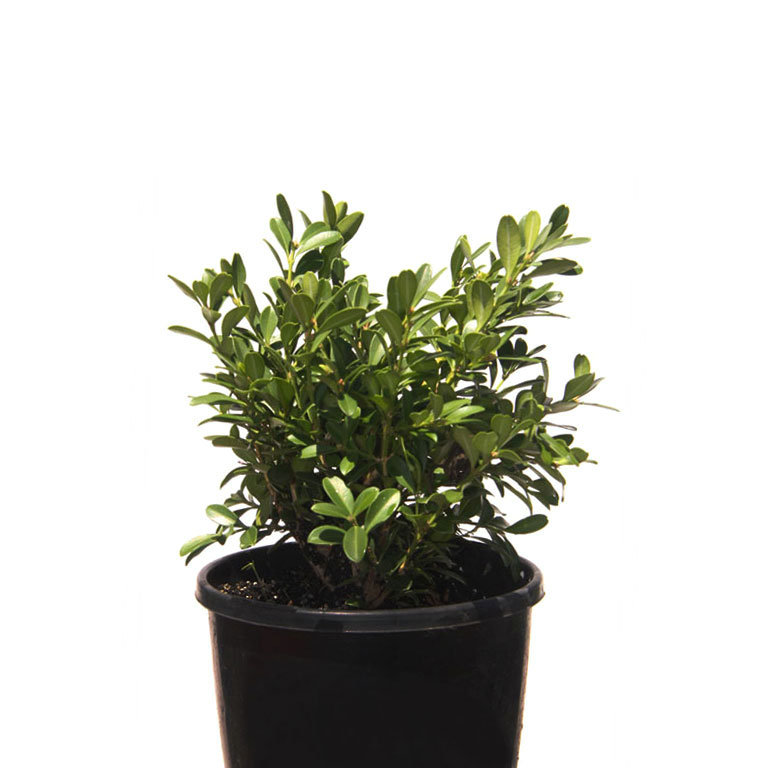
Sep
Choosing between Japanese Box and Korean Box can make a noticeable difference to how your hedge looks, how quickly it establishes, and how much maintenance it needs over time.
Both belong to the Buxus family and are popular choices for structured gardens, borders, topiary and formal hedging. However, they do not grow in exactly the same way. Japanese Box is generally the more vigorous and larger-growing option, while Korean Box tends to stay smaller, denser and easier to control.
That makes the choice between Japanese Box vs Korean Box less about which plant is “better” overall and more about which one best suits your space, desired hedge height and maintenance preferences.
Japanese Box vs Korean Box: What Are the Main Differences?
Growth Habit, Height and Overall Shape
The biggest difference between Japanese Box and Korean Box is their overall growth habit.
Japanese Box generally develops into a broader and more vigorous shrub. It is often chosen where homeowners want a more substantial hedge or need a Buxus variety capable of developing greater height and volume over time.
Korean Box typically grows more compactly. Its naturally dense growth habit makes it particularly useful where a neat, controlled hedge is required without allowing the plant to become too large.
In practical terms:
- Japanese Box is generally better suited to medium-height or more substantial hedging.
- Korean Box is particularly useful for low borders and compact formal hedges.
- Japanese Box tends to fill space more quickly.
- Korean Box is easier to keep within a smaller footprint.
The exact mature dimensions can vary according to the cultivar, growing conditions and pruning regime, so it is worth selecting plants based on the final height and width you actually want rather than relying only on the general variety name.
Leaf Size, Density and Visual Appearance
Both Japanese Box and Korean Box create the evergreen, structured appearance that makes Buxus so popular, but their finished look can feel slightly different.
Korean Box is known for its compact foliage and fine-textured appearance. Because the plant naturally stays relatively dense, it works well in gardens where crisp lines and defined edging are important.
Japanese Box can create a fuller, broader visual effect. Its more vigorous growth makes it useful for building a substantial hedge where the priority is creating a strong green structure rather than keeping the planting extremely low.
The visual choice therefore depends on the effect you want to create.
Choose Korean Box when you want:
- low formal edging
- compact borders
- dense topiary
- tidy garden-bed definition
- a smaller hedge with a refined appearance
Choose Japanese Box when you want:
- a larger hedge
- more visual volume
- stronger garden structure
- a plant that can develop more height and breadth
Both can be clipped into formal shapes, which is why they remain popular in both traditional and contemporary garden designs.
Growth Rate and Time to Establish a Hedge
Japanese Box is generally the more vigorous of the two, making it attractive when establishing a larger hedge relatively quickly is a priority.
Korean Box usually grows more slowly and remains more compact. That slower growth can initially mean waiting longer for a hedge to reach its final size, but it also has a long-term advantage: the plant is less likely to outgrow a narrow border or require constant height reduction.
For homeowners, the trade-off is straightforward.
If you want a hedge to gain size faster, Japanese Box may be the better fit.
If your priority is keeping a neat, low hedge with less ongoing size control, Korean Box may be more practical.
It is also important to remember that hedge establishment depends on more than plant variety. Pot size, soil preparation, irrigation, sunlight and ongoing care can all affect how quickly a new hedge fills out.
Which Is Better for Hedging: Japanese Box or Korean Box?
Which Box Is Better for a Low Formal Hedge?
For a low formal hedge, Korean Box is usually the stronger option.
Its compact growth habit makes it particularly well suited to edging garden beds, lining paths, defining driveways or creating traditional low borders. Because it naturally stays smaller, it can be easier to maintain at a consistent height without repeatedly removing large amounts of new growth.
A low Korean Box hedge can work particularly well around:
- formal garden beds
- rose gardens
- pathways
- driveways
- entrances
- courtyard planting
- geometric landscaping designs
Spring Colours Nursery recommends Korean Box for low hedges and borders and offers it as a practical option for homeowners who want a dense, structured Buxus without the scale of some larger-growing varieties.
For a formal low hedge, spacing and regular light trimming are just as important as the plant itself. Establishing an even line early usually makes it easier to maintain a uniform hedge later.
Which Box Is Better for a Taller or Faster-Growing Hedge?
Japanese Box is generally the more suitable option when extra height or stronger growth is required.
Its more vigorous nature allows it to develop into a larger hedge than Korean Box, making it useful where a garden requires more visual structure or a greater sense of enclosure.
It can work well for:
- larger garden beds
- medium-height hedging
- defining separate garden areas
- adding evergreen structure
- framing entrances or paths
- creating a stronger backdrop for other plants
That does not necessarily mean Japanese Box should be treated as a privacy hedge in the same way as a large screening shrub. Its value lies more in creating structured evergreen hedging at a greater scale than the compact Korean Box.
Before choosing, consider how much room the hedge will have once mature. A faster-growing plant can be an advantage during establishment, but only if the available space can accommodate the final size.
Japanese Box vs Korean Box for Topiary, Borders and Pots
The best Buxus variety also depends on how you plan to use it.
For topiary and tightly controlled shapes, Korean Box is particularly attractive because of its compact growth. It can be clipped into formal shapes and maintained in pots or narrow garden spaces without requiring the same degree of size control as a more vigorous variety.
Korean Box is especially suitable for:
- low topiary
- small formal spheres
- container planting
- courtyard gardens
- decorative edging
- low borders
Japanese Box can also be shaped and clipped effectively, but its stronger growth may be preferable for larger topiary forms or more substantial hedging.
In larger gardens, the two can even be used together. Korean Box can create a low foreground border, while Japanese Box adds greater structure behind it.
The main consideration should always be scale. A plant that naturally grows close to the required size will usually be easier to maintain than one that must constantly be cut back to fit the space.
Japanese Box vs Korean Box Care: Which Is Easier to Maintain?
Sunlight, Soil and Water Requirements
Japanese Box and Korean Box share similar basic growing requirements.
Both perform best when planted in well-drained soil and given enough water while they establish. They can generally tolerate a range of light conditions, including full sun and part shade, although local climate and exposure should always be considered.
Good drainage is particularly important. Buxus plants do not benefit from sitting in consistently waterlogged soil, so soil preparation can make a major difference to long-term plant health.
When establishing a new hedge:
- water consistently during the early growing period
- monitor the soil during hot or windy weather
- avoid allowing newly planted root balls to dry out completely
- improve drainage where necessary before planting
- use mulch to help retain moisture while keeping it clear of the main stem
Once established, watering requirements generally become more manageable, but prolonged dry periods can still create stress.
Spring Colours recommends well-drained conditions and regular watering during the establishment period for Korean Box.
Pruning and Shaping Requirements
Both varieties respond well to pruning, but their different growth rates can affect how much maintenance is required.
Japanese Box tends to grow more vigorously and may need more frequent shaping when used as a tightly clipped formal hedge. The advantage is that it can fill gaps and create volume relatively quickly.
Korean Box grows more slowly, so it can be easier to maintain at a compact size.
A practical pruning approach is to:
- establish the basic hedge shape early
- trim lightly and regularly rather than removing excessive growth at once
- encourage dense branching
- maintain a slightly wider base where appropriate so lower foliage receives sufficient light
- avoid aggressive trimming during periods of extreme heat or plant stress
The aim should not simply be to cut the hedge back whenever it becomes too large. Choosing the right variety for the intended size reduces the amount of corrective pruning required later.
Which Variety Is Better for a Low-Maintenance Garden?
For a small hedge or low border, Korean Box is often the easier choice for gardeners focused on keeping maintenance manageable.
Its naturally compact growth means less effort may be required to control its overall size. Once established, it can provide a dense evergreen structure without quickly becoming oversized for a narrow border.
Japanese Box can still be relatively straightforward to care for, but its more vigorous growth means it may require more regular pruning where precise dimensions must be maintained.
The easiest hedge is usually the one whose natural size matches the landscape.
For example:
- a low border planted with Korean Box may require relatively light shaping
- the same low border planted with a stronger-growing Buxus could require more frequent reduction
- a larger hedge may actually be easier to establish with Japanese Box because the plant naturally wants to develop more size
Low maintenance therefore does not automatically mean choosing the slowest-growing plant. It means choosing the plant that most closely matches the height, width and appearance you want.
Japanese Box and Korean Box at Spring Colours Nursery: Which Should You Choose?
Choosing the Right Buxus for Your Garden Design
The right choice between Japanese Box and Korean Box starts with understanding what you want the hedge to achieve.
Before buying, consider five main factors.
Desired height:
If the hedge needs to stay low and compact, Korean Box is usually the more natural fit. If you need more height and volume, Japanese Box may be more appropriate.
Available space:
A narrow border benefits from a naturally compact plant. Larger beds can accommodate a more vigorous Buxus.
Growth speed:
Japanese Box generally develops more quickly, while Korean Box offers slower, controlled growth.
Maintenance:
A plant that naturally matches the intended dimensions usually requires less corrective pruning.
Garden style:
Both work well in formal gardens, but Korean Box is particularly effective for precise low edging, while Japanese Box can provide stronger structural mass.
Thinking through these points before planting can save considerable maintenance later.
Japanese Box and Korean Box Options Available from Spring Colours
Spring Colours Nursery offers a range of Buxus and other hedging plants for different landscaping requirements.
Both Japanese Box and Korean Box can be suitable for creating evergreen structure, but Spring Colours allows homeowners and landscapers to choose the plant and pot size that best matches the project.
Smaller plants can be a cost-effective way to establish a longer hedge when there is time for it to develop. Larger, more advanced plants may be preferable when you want a stronger visual result sooner.
When comparing plants, do not look only at the variety name. Also consider:
- current plant size
- pot size
- intended spacing
- desired final hedge height
- number of plants required
- how quickly you want the hedge to establish
For larger landscaping projects, getting the plant selection and quantities right before installation can make a significant difference to both the initial appearance and the long-term result.
Why Buy Your Box Hedge from Spring Colours Nursery?
Choosing the right Buxus is easier when you can match the plant to the actual conditions and design of your garden.
Spring Colours is a family-owned Sydney nursery with more than 30 years of experience and supplies plants to both retail and trade customers. Its Dural nursery and growing yard offer a broad range of hedging, screening and landscaping plants, including Buxus options for formal garden designs.
Customers can also access Sydney plant delivery, and the team can assist with sourcing particular plants where possible.
For homeowners deciding between Japanese Box vs Korean Box, this makes it easier to choose based on practical considerations rather than simply selecting the first Buxus available.
If you want a small, compact and controlled hedge, Korean Box is likely to be the better starting point.
If you want a larger, more vigorous and faster-establishing Buxus, Japanese Box may suit the project better.
Browse the hedging range at Spring Colours Nursery or speak with the team about the height, style and growing conditions you want to achieve before selecting your plants.